Construction projects can be organized in several ways, each defining the roles and responsibilities of owners, designers, and contractors. Over time, these delivery methods have expanded. Knowing how each method impacts a project’s outcome is important. Choosing the right system for your needs and understanding how the owner, architect, and builder work together are key to a successful project. Here are the main construction delivery methods used today.
Construction Management
The Construction Management Delivery Method gives owners two options: CM at Risk (CMAR) and CM Multi-Prime (CMMP). The main difference is who holds the contracts and takes on the financial risk. In CMAR, one firm manages the project and offers a Guaranteed Maximum Price. In CMMP, the owner works directly with several trade contractors, while the construction manager acts as an advisor. CMAR is a good fit for complex projects that need careful budgeting. CMMP means more owner involvement but can lower fees and overall costs.
Design-Bid-Build
Design-Bid-Build (DBB), or General Contracting, is a traditional approach. The owner first hires an architect to design the project. After the design is finished, contractors are invited to bid. DBB’s main benefit is a clear project scope. However, it usually means less teamwork and longer timelines.
Design-Build
In Design-Build (DB), one company handles both the design and construction. This method offers a single point of contact, faster schedules, and improved communication.
Integrated Project Delivery (IPD)
Integrated Project Delivery (IPD) is a system where the owner, designer, and builder share risk, responsibility, and profit under one contract.
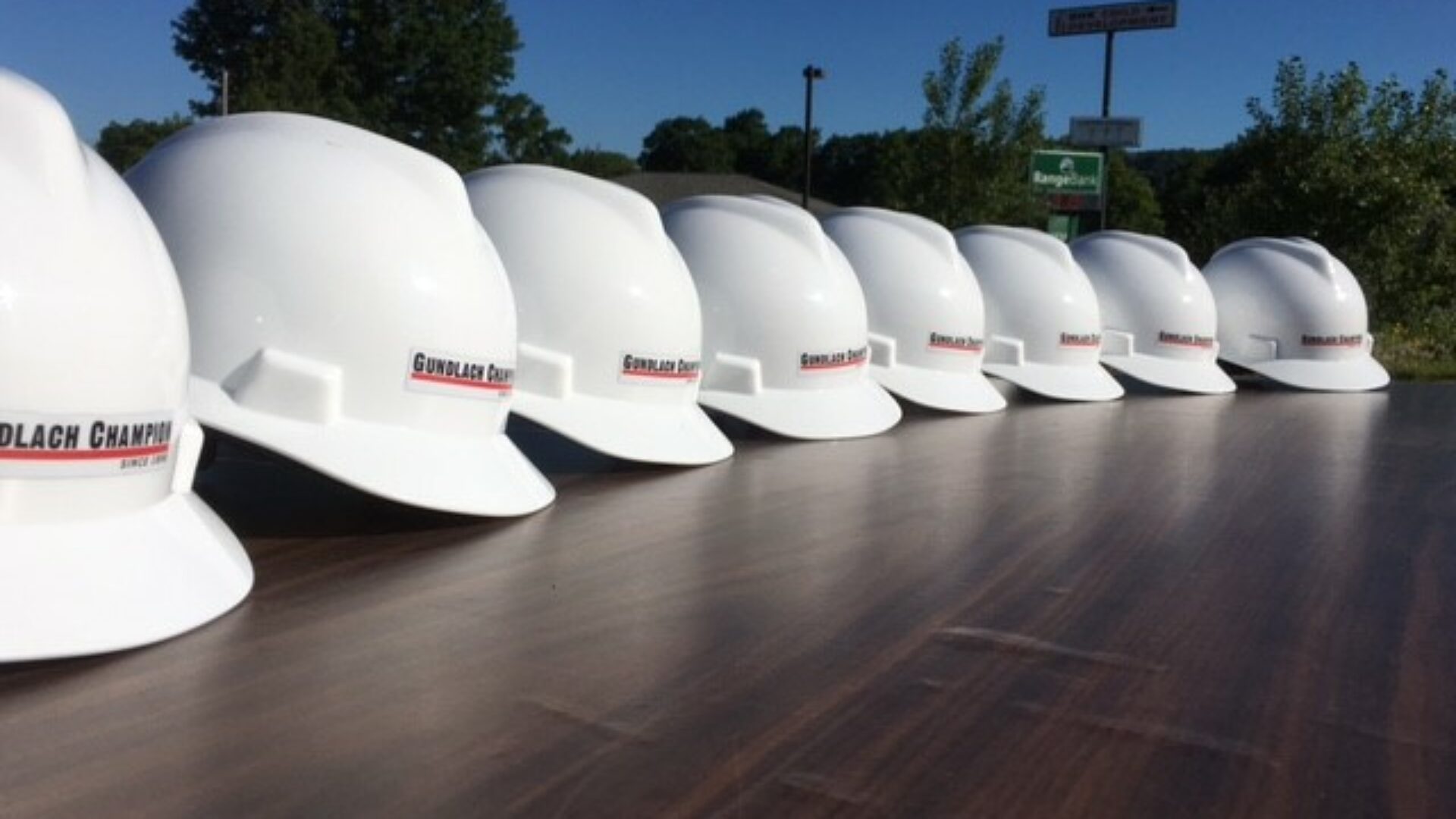
At Gundlach Champion, we offer a range of construction delivery methods to help make your project a success. Our team has over 350 years of combined experience with both new builds and renovations. If you’d like to talk about your next project, visit gcfirst.com.